Vacant Land Development
Review intended use, location context, ownership, development potential and the service path needed before execution.
Explore design planning

Iridium helps property owners, investors and project stakeholders frame the practical questions behind development-linked opportunities. We focus on context, feasibility, participation structure, readiness and risk awareness, not brokerage or guaranteed returns.
Development-linked investment is not one product. The right review depends on the asset, stakeholders, intended development route and current stage.
Review intended use, location context, ownership, development potential and the service path needed before execution.
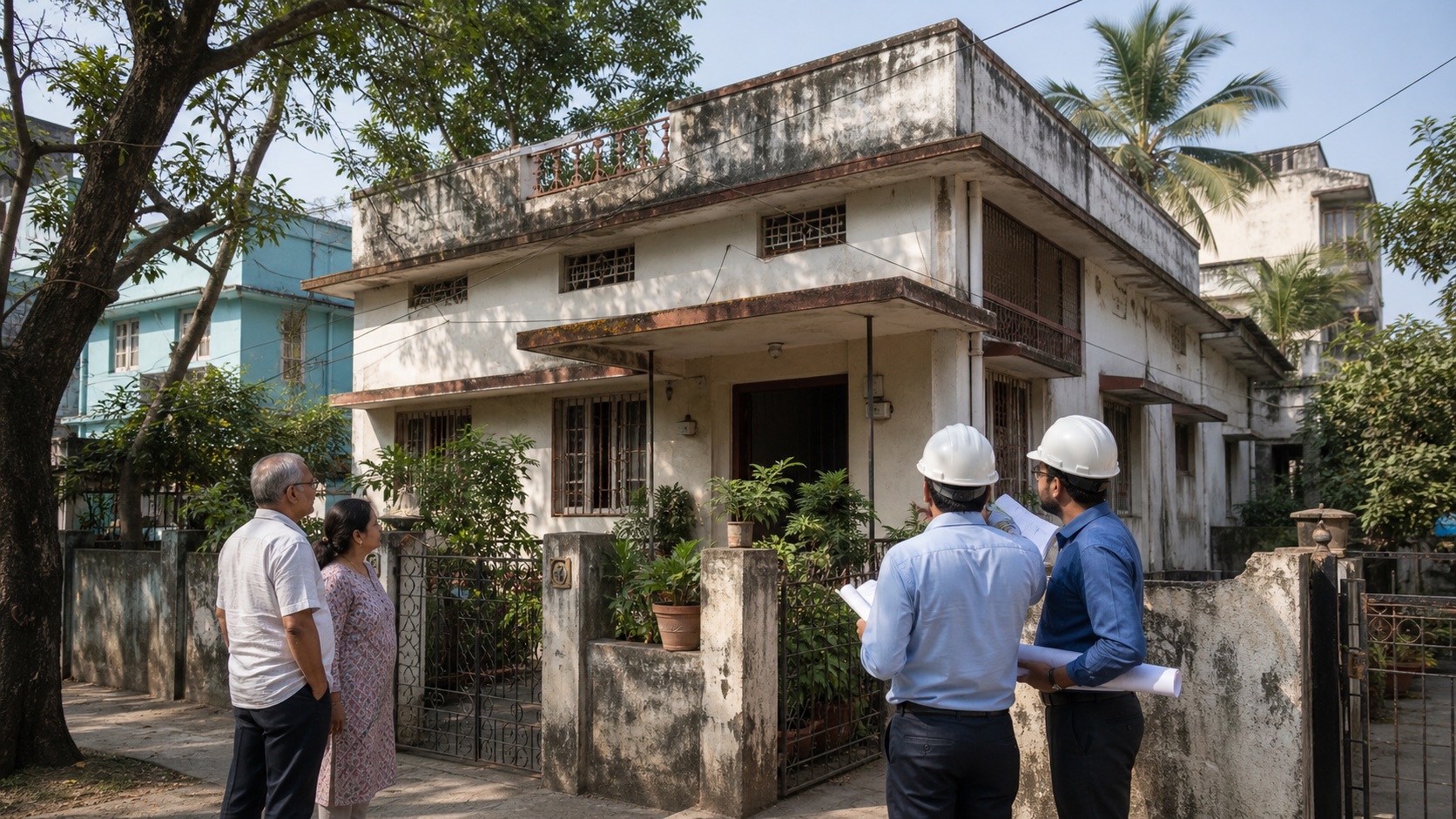
Explore design planningUnderstand the existing property, desired new use, demolition or renovation direction, stakeholders and development complexity.
Explore redevelopmentFrame owner expectations, developer responsibility, share structure, feasibility and the information required before negotiation.
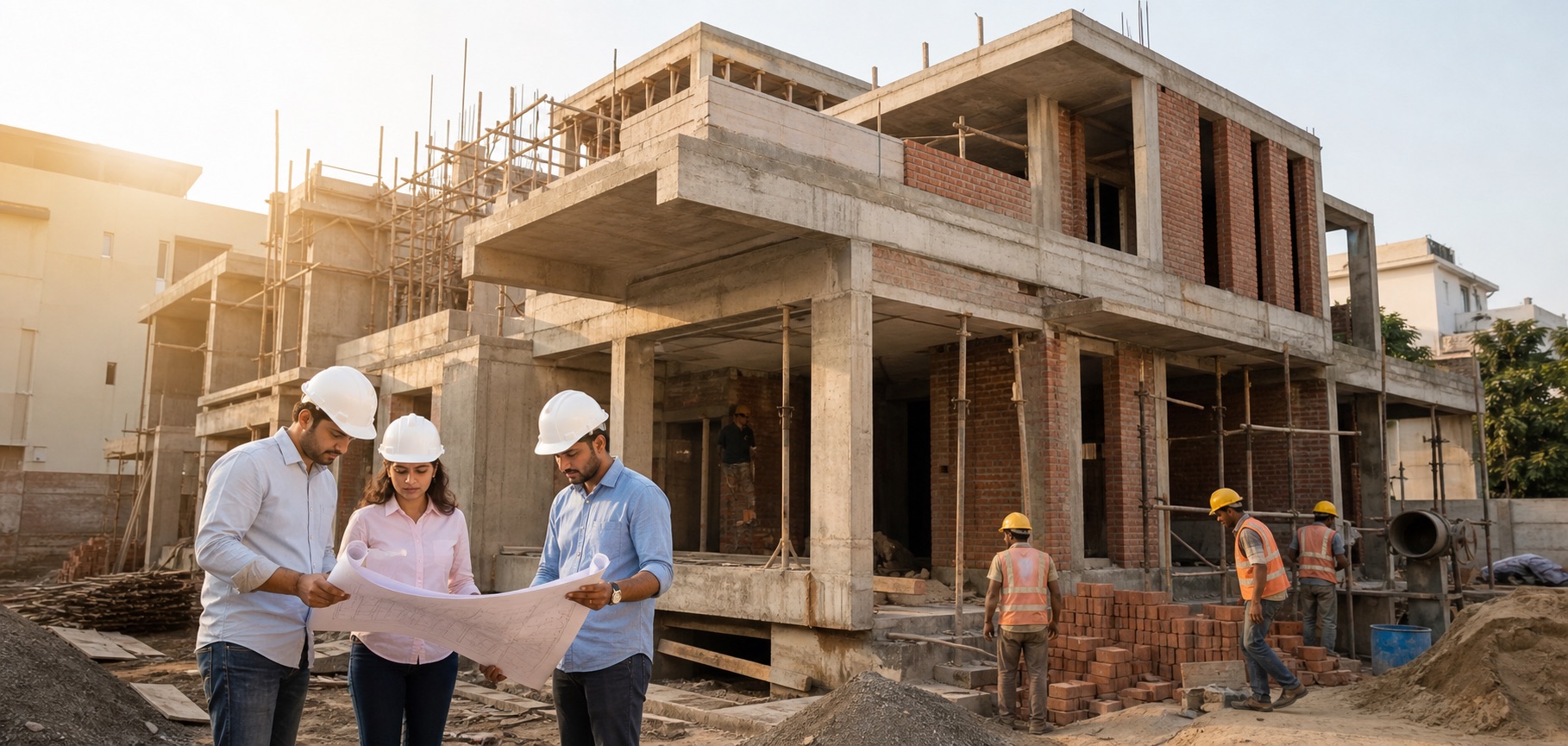
Explore joint venturesConsider design readiness, work scope, timeline, resource needs and execution responsibilities around a proposed build.
Explore constructionReview documents, eligibility context, technical requirements, deadlines and post-award execution readiness.
Explore tender supportTurn a broad idea into a clearer question set covering project type, assumptions, stakeholders, scope and next-step evidence.
Submit the conceptNo single factor decides whether a development route is suitable. The opportunity should be discussed through connected evidence and realistic assumptions.
Illustrative evaluation framework. Bars are not financial scores, valuations or return forecasts.
Connected reviewOpportunity quality depends on more than a proposed return or headline value.
Our role is to improve the quality of the development conversation and highlight the questions that need stronger evidence or specialist advice.
Organize the known facts, intended route, stakeholder expectations and current assumptions.
Identify the practical questions that should be answered before further commitment.
Clarify whether the context involves ownership, collaboration, execution or another development role.
Highlight information gaps, unclear responsibilities and assumptions needing professional validation.
Connect the opportunity to architecture, visualization, construction or redevelopment support.
Define useful documents, consultations or project work needed to improve clarity.
A disciplined review does not remove risk. It helps expose unclear information early, before time, money or stakeholder expectations become harder to change.
Request Opportunity GuidanceYou can enquire even if some inputs are unavailable. Clearly identifying the gaps is itself useful for deciding the next step.
Share the property, stakeholders, development idea and available evidence.
Separate known facts, expectations, information gaps and proposed outcomes.
Identify questions about design, construction, participation, timing and readiness.
Clarify which documents, specialists or development services can improve the decision.
No. Iridium does not guarantee returns, future value, profitability or outcomes. Guidance is intended to improve development-context understanding and next-step questions.
No. We do not operate as property brokers or sell third-party flats, plots, resale inventory or investment products.
Yes. Share location, approximate area, ownership context, existing property condition and the development or collaboration outcome being considered.
No. Legal, tax, valuation and regulated financial advice should be obtained from appropriately qualified professionals. We help frame development-related context and questions.
Yes. Early-stage opportunities can be discussed when the available facts, assumptions and missing information are clearly identified.
Location, property details, current condition, stakeholders, intended route, expected outcome, available documents, timing and the questions you want answered.
Submit the opportunity details once so the first discussion can focus on useful questions and practical next steps.